
Welcome to the @Photopreneur Academy
The Photopreneur Academy is where strong mobile phone photography foundations are built. Through practical, easy-to-follow learning, you’ll master your phone’s camera, understand composition and light, and develop a photographer’s eye, without needing expensive gear. By learning why images work (and how to recreate them), you’ll gain the confidence and technical skills needed to consistently capture high-quality photos that are suitable for competitions, portfolios, and income opportunities.
Value for you:
✔ Master your mobile phone camera
✔ Improve technical and creative skills
✔ Create photos that are sellable, not just shareable
Sign up as a member to gain access to valuable learning experiences.
Some free articles:

In this article, we explore how mobile photographers can create commercially viable images by shooting at full resolution, avoiding digital zoom, preserving native aspect ratios, composing with intention, and editing non-destructively. We show how to emphasise disciplined workflows that maximise image quality, flexibility, and licensing potential for print, stock, and commercial use.

In this article, we explore the importance of shooting with intent in photography. We explain how purposeful image-making, understanding the target audience, and planning before pressing the shutter can transform random attractive photos into structured, sellable work that builds a stronger portfolio, brand, and photographic identity.
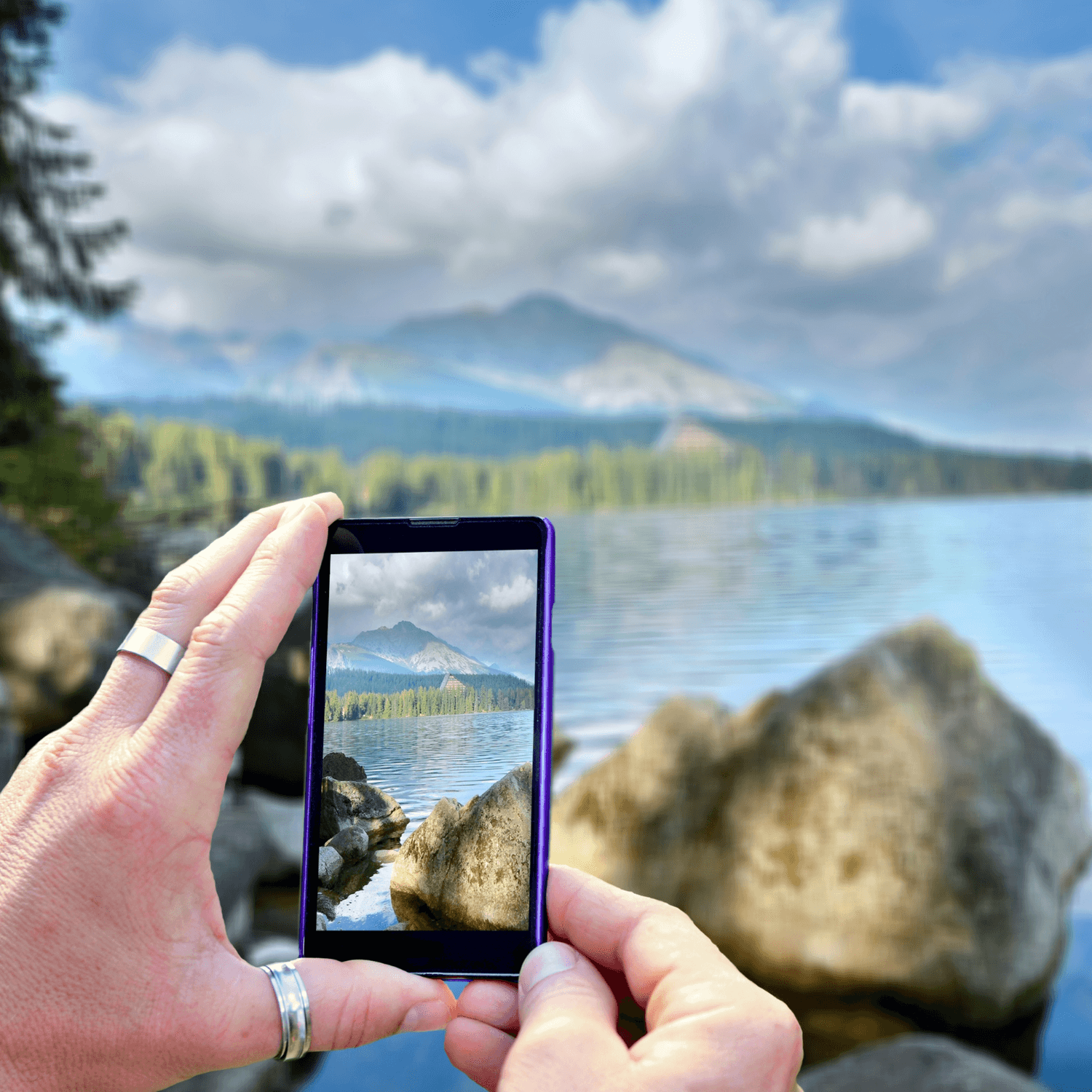
In this article, we explain how photographers can develop a unique photographic identity by using composition techniques like the Golden Ratio and Rule of Thirds. We highlight intentional framing, leading lines, perspective, and high-resolution shooting to create visually engaging, commercially valuable images for online sales.
How to take Sell-Ready Photographs with your Phone
PHOTO ACADEMY
In this article we cover:
✔ Editing
✔ Composition
✔ Aspect ratio
Mobile phones are powerful enough to produce professional quality images, but only if they are used with intention. The difference between a photo that looks good on your screen and one that can be sold online comes down to how it is captured, framed, and processed.
Selling photography requires more than creativity. Buyers need flexibility. That means shooting at your phone’s highest native megapixel setting, avoiding digital zoom, and preserving as much image data as possible. Once pixels are discarded, they cannot be recovered.
Aspect ratio matters more than most mobile photographers realise. Choosing cropped formats for social media may look appealing, but it permanently reduces usable image area. A sell-ready approach captures the full sensor ratio first and crops later, if necessary.

On this journey to sell my photos, I've realized that understanding the technicalities on my phone camera are really important, not just using those functions, but also the effect on megapixels.
Recently I had an interesting discussion with an art studio owner about how megapixels convert to DPI (dots per inch), in the printing process. More about that in another Photopreneur Academy article. You are a Paid member, you have access to the full library follow the link here.
Composition also plays a role in commercial value. Shooting with intention, using tools like the rule of thirds and the golden ratio (see Academy Library) creates images that feel balanced and adaptable. Strong structure gives buyers more layout options. Editing is another critical step.
Many images lose quality during export due to compression or resizing. A professional workflow protects the original file, edits non-destructively, and exports at full resolution when needed.
The principle is simple:
Shoot once. Preserve everything. Create options.
The real way to Shoot With Intent
SHOOTING WITH INTENT
Hello, Photopreneurs!
Today we’re going to talk about shooting with intent.
Most photographers don’t struggle with talent; they struggle with direction.
We shoot what looks nice and what’s nearby. We follow the light, the moment, the vibe. Friends and family tell us how great the photos are.
We collect likes, compliments, and encouragement, and then we quietly wonder why our images don’t sell, don’t stand out online, or don’t attract buyers and clients.
That gap is rarely about skill.
It’s about intent.
This edition is about flipping that mindset.
Intent means knowing why you’re taking the photo before you press the shutter. Not after. Not during editing. Before.
It means understanding where that image could live: a print on a wall, a stock library, a website header, a social campaign, or a client brief.
It means shooting with purpose rather than hoping a good image accidentally happens. Strong images aren’t lucky. They’re designed.
This one shift - moving from reaction to intention - changes everything
Before you shoot, ask yourself a single question:
“Who is this photo for?”
Not:
“Is this pretty?”
“Will people like this?”
“Would I post this on Instagram?”
Instead, ask:
Is this for a buyer?
A specific type of client?
A brand or industry?
Portfolio growth?
A long-term body of work?
My own photographic identity?
In short
Shooting with intent means knowing why you’re taking a photo before you press the shutter: who it’s for, where it will live, and what story it needs to tell. When you stop chasing “pretty” and start designing images for a buyer, a client, or your own photographic identity, clarity takes over. Location, subject, light, composition, and edit all line up with purpose - turning random good shots into deliberate, sellable work.
Because strong images aren’t accidental.
They’re planned.
Using the Rule of Thirds & Golden Ratio
Hello, Photopreneurs!
Selling your photos online is all about taking the viewers and/or buyers on a visual journey, which leads to the heart.
Our community is made up of 80% of people who want to have a side hustle or a main hustle of selling photographs online, since we travel with our mobile phones.
Millions of people around the world take photographs and sell them online, so what is it that we need to do to be unique?
The answer to this is to develop your own, what I call a “photographic personality” or identity.
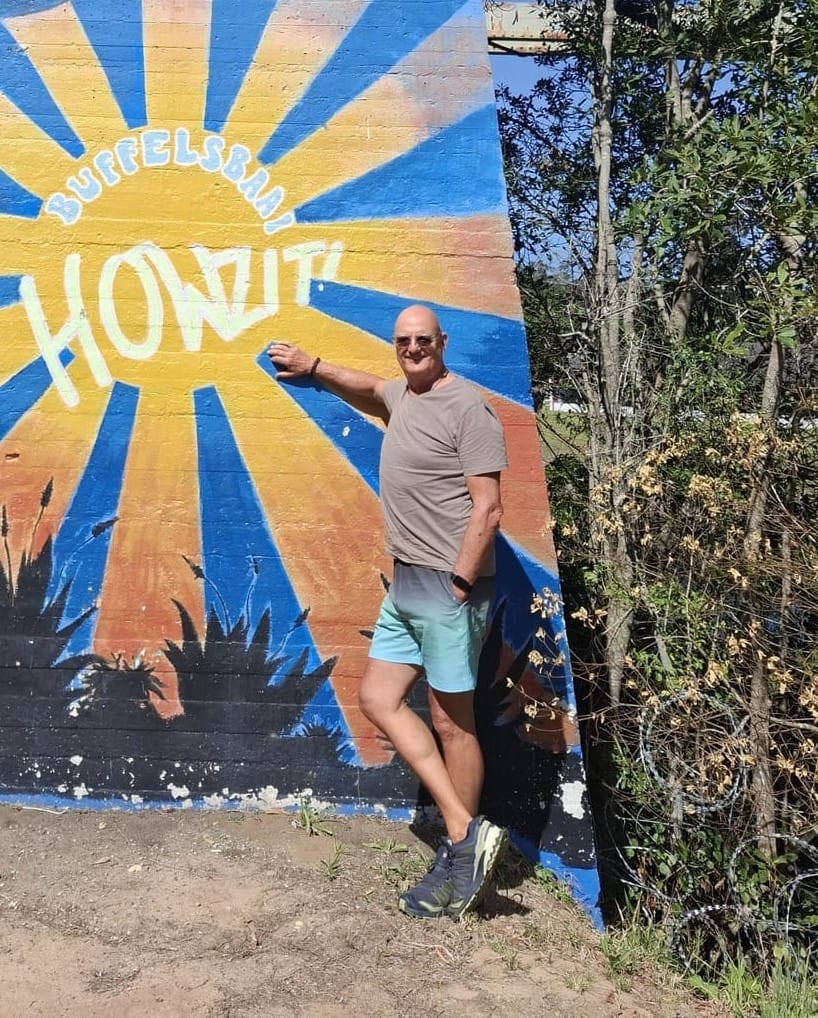
To use myself as an example, I live in an area of natural beauty, and it's easy for me to take landscapes and seascapes of Table Mountain, the ocean and sailing boats. Now, I have an idea of content. I'm also developing a style. If you look at my Instagram page @jefflomey, you will see I've been experimenting lately with black and white shots of sections of motorcars in the street. These are very different from my normal landscape and seascape shots.
So, try and figure out what your natural and best style is. A great tool to help you do this is what's called the Golden Ratio or, in a simplified way, The Rule of Thirds.
These ideas have been used by artists and painters for centuries, and here in @photopreneur, we are bringing them to you short and sweet in an easy-to-apply manner.
--THE GOLDEN RATIO EXPLAINED--
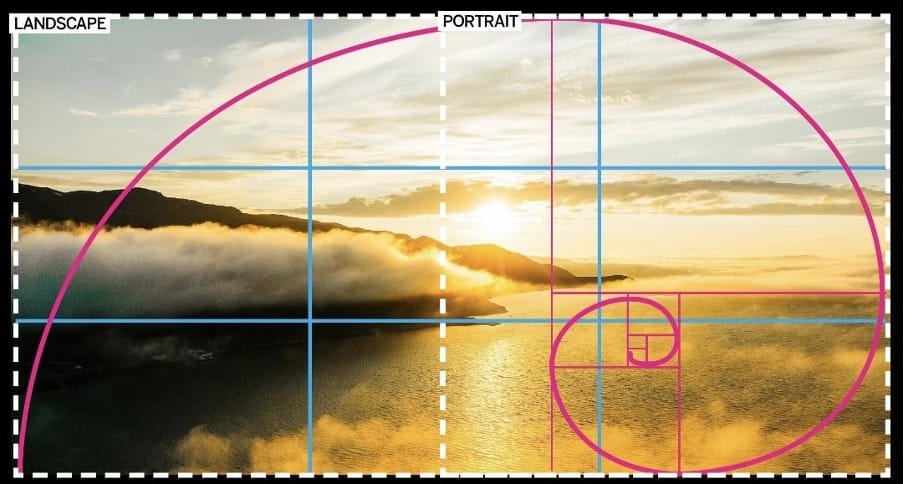
The golden ratio is a natural composition guide that helps the viewer's eyes to travel within the frame so that the photo has maximum impact. (see image above).
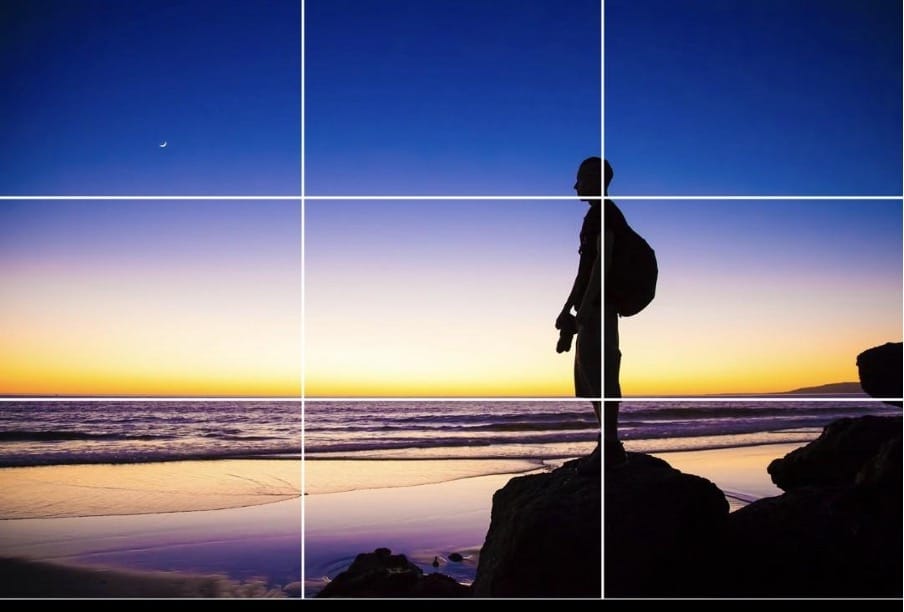
All mobile phones have a setting often referred to as the gridlines. Go to your camera settings on your main menu of the phone and toggle this to on. You will see non-squares appear on your phone whether the phone is vertical or horizontal. See example below:
--APPLICATION--
When you are learning, keep the gridlines on. I keep mine on all the time.
How the rule of thirds works:
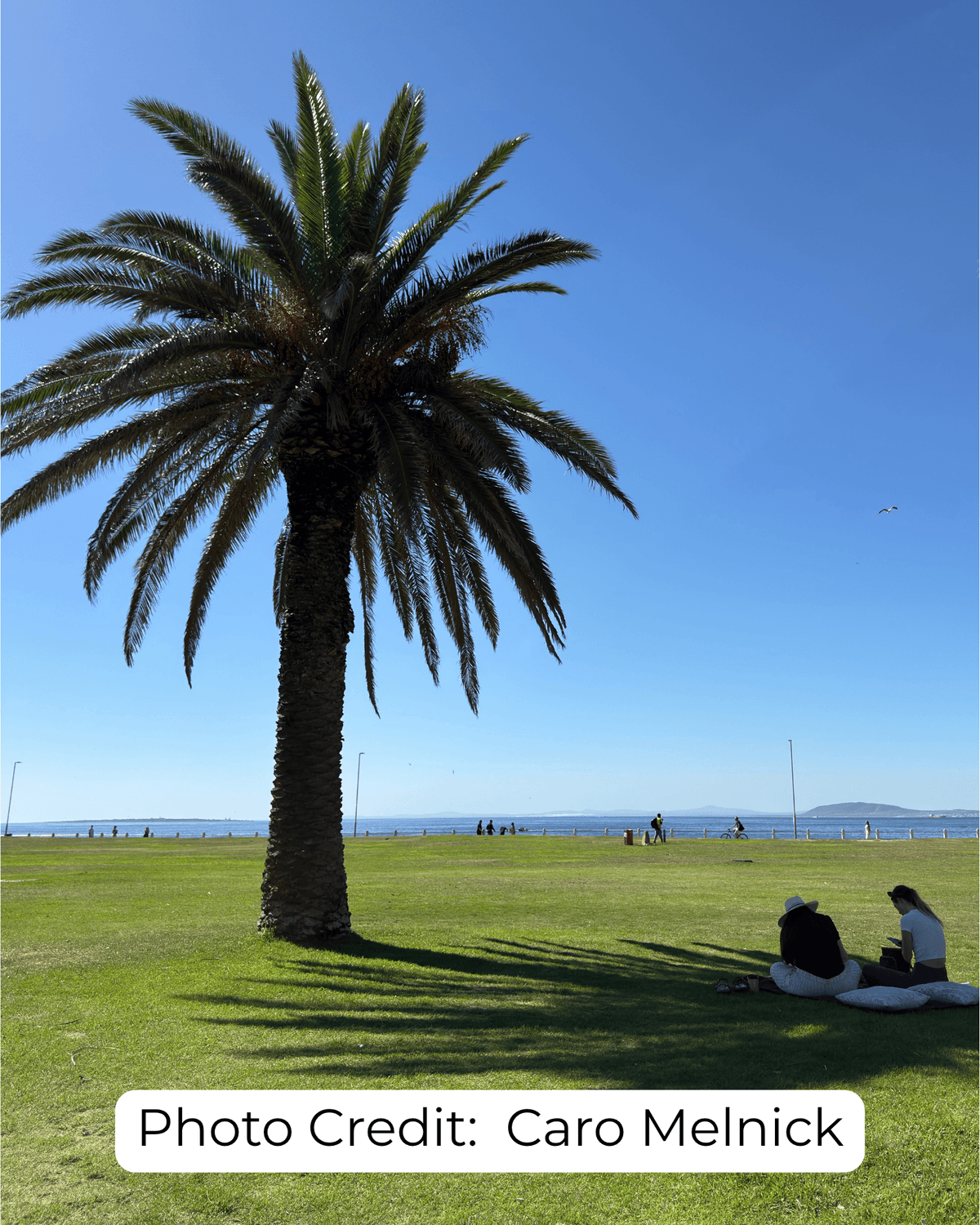
1: Layer the thirds
Place the horizon so that it's at the top of the bottom third or the bottom of the top third. This helps the eyes to pick a point and move up or down depending on what's in the photo.
2: Place objects to one side
Similarly, vertically placing an object to the left or the right on the vertical lines causes the eye to focus on that object and then move to the opposite side of the frame.
3: Leading lines
Use leading lines to guide the viewer to your subject without them noticing. Example: A road, jetty, or shoreline gently pointing to a person placed on a third.
4: Create balance with negative space
Why: Empty areas add emotion and focus.
Example: A lone cyclist on the left third with wide open sky on the right creates a sense of freedom, isolation, or adventure.
5: Shift your body, not your zoom
Physical movement keeps perspective natural and sharp. When I take a photo I take it from 3 or 4 different angles go high go low go left go right and I physically move my body so in fact my eyes can see things differently.
Example: Move a few steps left so a tree lines up on the right third. Shoot from below so that a car with buildings in the background takes up the bottom quarter or third of your screen and the rest is buildings and sky to create a different perspective.
Go there and experiment and learn. Take your photos at high megapixels so that when you get back to your editing studio, you have many angles and many options to work with in high resolution. This will ensure that your photograph, after editing, is large enough to sell online and be of good quality for your customer